
Favorite Demolition Service Products For Heavy-Duty Tasks
Identify trusted tools and machinery that deliver durability and effectiveness for tough demolition jobs.
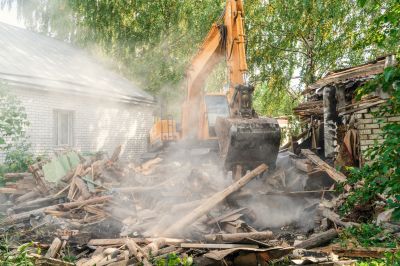 Demolition work in Powhatan, VA, requires a diverse array of tools and equipment to ensure efficiency, safety, and precision. From small-scale interior demolitions to large structural removals, having the right products can significantly impact the success of a project. Selecting appropriate demolition tools depends on the scope of work, material types, and site conditions. Proper equipment not only streamlines the process but also helps maintain safety standards for workers and surrounding structures.
Top Overall Option
Heavy-Duty Demolition Hammer
A versatile demolition hammer equipped with adjustable settings and ergonomic design can handle a wide range of tasks, from breaking concrete to chipping away masonry. Its robust construction and powerful motor make it suitable for various demolition scenarios, providing users with control and reliability. Proper selection of a demolition hammer ensures it can adapt to different project demands while maintaining safety and ease of use.
Types of Products For Demolition Service
Hydraulic Breakers
Hydraulic breakers are powerful tools used for breaking concrete, asphalt, and other hard surfaces, often attached to excavators for larger demolition tasks.
Jackhammers
Portable pneumatic or electric jackhammers are ideal for breaking up concrete, brick, and stone in various demolition projects.
Reciprocating Saws
Reciprocating saws are versatile cutting tools suitable for demolition work involving wood, metal, and plastic components.
Rotary Cutters
Rotary cutters are used for precise cutting of rebar, conduit, and other embedded materials during demolition.
Dust Suppression Systems
These systems reduce airborne dust during demolition, improving site safety and cleanliness.
Concrete Saws
Specialized saws designed for cutting through concrete and asphalt with accuracy and minimal vibration.
Pry Bars and Crowbars
Manual tools used for prying apart structures, removing nails, and general demolition leverage.
Demolition Gloves
Protective gloves designed to provide grip and safety during demolition tasks involving sharp or rough materials.
Safety Helmets
Essential head protection for workers in demolition sites to prevent injuries from falling debris.
Crowd Control Barriers
Temporary barriers used to secure demolition sites and keep unauthorized personnel out.
Lifting and Hoisting Equipment
Cranes, hoists, and lifts facilitate the removal of large debris and structural components safely.
Debris Chutes
Chutes that direct debris safely from upper levels to ground containers, minimizing site mess and hazards.
Electric Demolition Saws
Corded or cordless saws designed for cutting various materials during demolition work.
Hydraulic Spreaders
Tools used to pry apart or spread structural elements during demolition or rescue operations.
Vibratory Plate Compactors
Used to compact soil and debris after demolition, preparing the site for new construction.
Popular Choices
Widely used for their portability and ease of operation in various demolition tasks.
Commonly attached to excavators for large-scale concrete and asphalt demolition.
Popular for their versatility in cutting through different materials during demolition projects.
Effective in controlling airborne dust during intense demolition activities.
Essential safety gear for workers in noisy demolition environments.
Frequently used for manual demolition and leverage tasks.
Favored for their precision in cutting concrete and asphalt on-site.
Convenient for collecting and transporting demolition debris efficiently.
Popular for controlled disassembly of structural components.
Commonly used after demolition to prepare the site for new construction.
Hand tools like sledgehammers and chisels remain relevant for targeted demolition tasks.
Regularly employed to secure demolition zones and ensure safety compliance.
Popular for their ease of use and ability to cut through various materials.
Frequently used to keep unauthorized personnel out of active demolition sites.
Commonly used to lift and position heavy debris or structural elements.
In demolition projects, safety is paramount. Protective gear such as helmets, gloves, and eye protection are essential, but choosing the right machinery also plays a crucial role. Heavy-duty tools like jackhammers, demolition saws, and hydraulic breakers are commonly used for breaking through concrete, brick, and other tough materials. For more delicate or controlled demolitions, specialized equipment like dust suppression systems or handheld power tools can be employed to minimize debris and dust spread.
Understanding the variety of available products helps contractors and DIY enthusiasts identify what best fits their needs. Larger equipment may require professional handling, while smaller, portable tools are suitable for quick or less intensive tasks. Proper maintenance and handling of these tools are vital for longevity and safety. Whether performing a partial interior tear-out or knocking down an entire structure, having the right products ensures the work proceeds smoothly and efficiently.
Key Buying Considerations
- Identify the specific demolition tasks to determine the appropriate equipment size and power.
- Consider the materials involved, such as concrete, brick, or metal, to select suitable tools and blades.
- Evaluate the site conditions, including space constraints and accessibility, for equipment compatibility.
- Prioritize safety features like ergonomic design, vibration control, and dust suppression capabilities.
- Assess the power source options—electric, pneumatic, or hydraulic—based on availability and project scale.
- Determine whether manual, handheld, or larger machinery best fits your project scope.
- Review maintenance and durability to ensure long-term reliability of the equipment.
- Check for ease of operation and user comfort, especially for prolonged use.
- Consider the noise levels of equipment to comply with local regulations and reduce worker fatigue.
- Budget constraints should align with the quality and features needed for the job.
- Availability of replacement parts and customer support can influence long-term satisfaction.
- Look for versatile tools that can handle multiple demolition tasks to maximize value.
- Ensure that safety gear and accessories are compatible and sufficient for the chosen equipment.
- Evaluate the weight and portability if frequent transportation around the site is required.
- Review local regulations regarding demolition equipment and safety standards in Powhatan, VA.